How Live Casino Table Traffic Should Shape Your Game Choice at Lucky88vn
Three Quick Findings Before You Pick a Table
If you have opened a live casino lobby in the past year, you have probably noticed the small counter next to each table that tells you how many players are sitting. At a platform such as lucky88vn, that counter is the first thing most players look at. Yet the number of people at a table is one of the most misunderstood pieces of information in live dealer gaming.
After reviewing how traffic numbers behave in live lobbies, here are the three findings that matter most before you choose a table:
- Traffic is a crowding signal, not a quality signal. A packed table tells you that many people clicked the same seat, but it does not tell you whether the game moves at a comfortable pace or whether the dealer is experienced.
- The time of day changes the game more than the game itself changes. A table that feels too fast at 9 PM may feel too slow at 3 AM, even though the rules are identical.
- Low traffic can be the better choice for most casual players. A table with two or three others gives you room to think, read the screen, and understand what is happening before you place a chip.
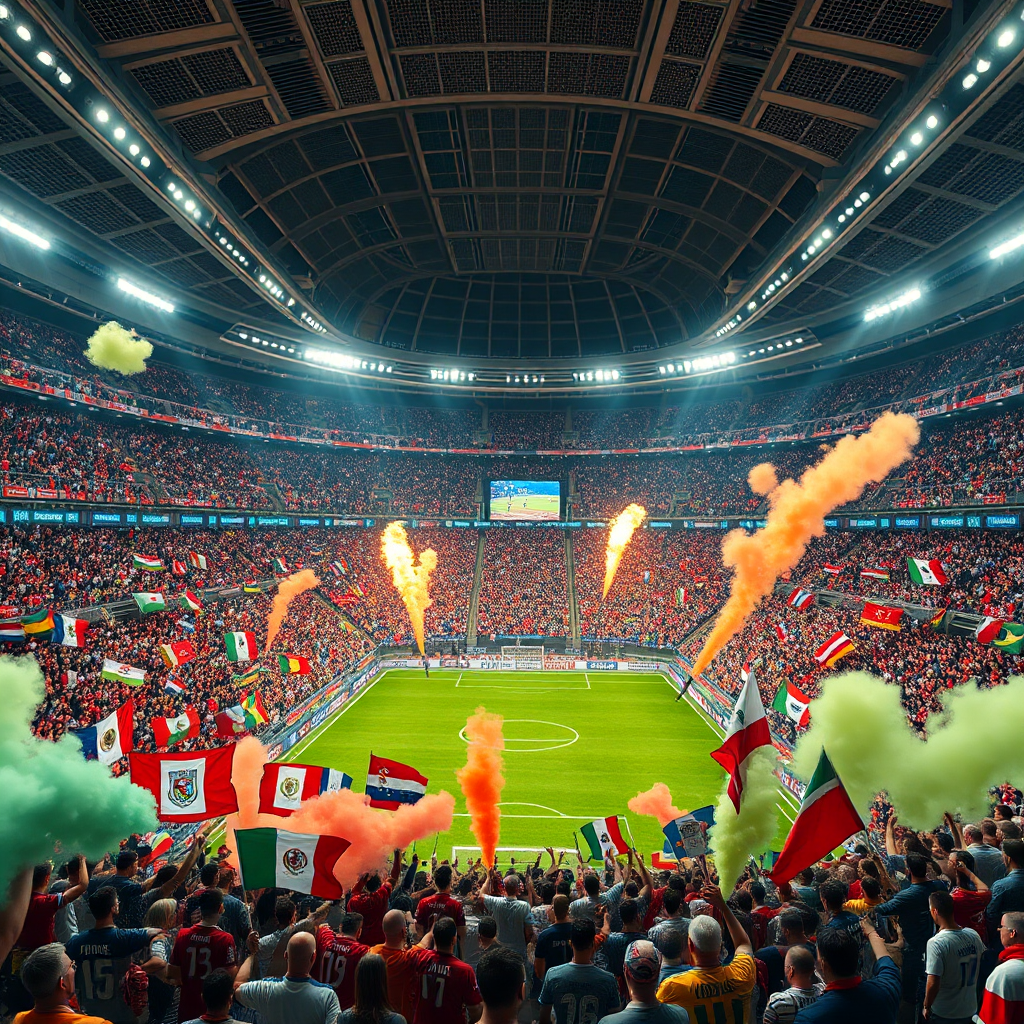
 Hình minh hoạ: lucky88vn
How to Judge a Live Table When Player Counts Change
Because no two players define a good live table the same way, the most useful approach is to score each table against a short list of measurable factors. The table below is the same framework you can use inside the live casino section of the platform you choose.
| Criterion | Why It Matters | How to Verify It |
|---|---|---|
| Current player count | High counts slow down decisions and create pressure to act fast. | Check the lobby counter at different hours, not just once. |
| Betting time limit | A short timer suits quick players but frustrates beginners. | Watch a full round before joining to count the seconds between bets. |
| Table limit range | Limits decide whether the table fits your bankroll approach. | Look for a displayed minimum and maximum before you open the table. |
| Dealer rotation and breaks | A dealer break changes the rhythm and may pause the game. | Note the dealer name and stay long enough to see a rotation. |
| Stream stability | A busy table is unusable if the video freezes at the wrong moment. | Evaluate the stream on different devices, not just your phone. |
When you compare live tables, treat the player count as the first filter, not the final verdict. The second filter should be the way the table plays at the time you normally log in.

What High Traffic and Low Traffic Really Signify
Busy Tables and the Pace of the Game
In a high-traffic live game, the dealer usually has to wait for a larger group of players to finish betting. This creates a slower rhythm, but it also creates a noisy screen. Some casual reviewers interpret a fast table as a more exciting table. The opposite is often true: a busy table can feel chaotic, with player names scrolling by and chat messages arriving faster than you can read.
For someone who wants to observe the game without feeling rushed, a busy table is a poor starting point. The visual clutter alone can make it harder to follow the sequence of cards or wheel spins.
Empty Tables and the Speed of Play
A nearly empty table typically produces a quicker round because the dealer waits for fewer players. That speed is a double-edged sword. If you are still learning the difference between a player hand and a banker hand in baccarat, a fast empty table may leave you behind. If you already know the rules, the empty table is usually the calmest environment for making deliberate choices.
You should also check whether the platform caps the number of players who can join after you. Some studios allow unlimited seats behind the virtual betting spot, which means the table can transform from quiet to crowded in less than a minute.
Peak Hours and Table Availability
Live casino traffic does not stay level across the day. Weekend evenings attract more players, which means lower-limit tables fill quickly and waiting lists appear. If you prefer a relaxed experience, try the same games during mid-morning or late afternoon. The lobby at lucky88.vn will show the same pattern that you see on most live platforms: a predictable daily wave rather than a random spike.
Use that wave to your advantage. When you know the hours that match your patience level, you can pick a table based on the crowd size instead of reacting to whatever is open first.

Deconstructing the Advertising Claims with a Checklist
Brands that operate live casino sections often advertise packages of benefits: “180 seconds to make a bet,” “unlimited seats,” “multi-camera angles,” or “trained professional dealers.” Some of those claims are easy to verify; others are not.
Before you rely on any advertising claim, go through this checklist:
- Verify the betting timer. Open a table you have never played and count how long you are allowed to place chips. Reset the page and count again to make sure the number was not a fluke.
- Verify the seat limit. Read the platform’s help section to see if there is a stated cap on seats and whether the cap changes when the table is near capacity.
- Verify the stream quality on your own connection. A promotional video recorded on professional equipment does not represent your home Wi-Fi. Use the free viewing mode if one exists.
- Verify that the dealer is not replaced too often. Frequent dealer rotations interrupt the flow and can turn a 40-second round into a two-minute wait.
- Verify the responsible-playing tools. Look for deposit limits, session reminders, or a timeout option. If those tools are difficult to find, the advertising claim about “safe play” deserves suspicion.
- Verify the fairness statement. Do not accept the phrase “certified fair” on its own. Look for the name of a testing body or an audit reference in the platform’s policy section.

Strengths and Limitations of Choosing by Traffic
The clearest strength of using table traffic as a selection factor is that it is observable before you commit a single chip. You can compare three tables in one glance, decide which one fits your mood, and join without surrendering personal data. That is a genuinely useful piece of everyday product judgment.
The limitations are equally clear. Player counts can be inflated by automation or by promotional bonuses that reward players for joining a table. A count of 20 does not prove that 20 human beings are actively playing; some lobbies count connected viewers, rebuyers, or simply people who have not left the table yet. Traffic also tells you nothing about the randomness of the outcome. A crowded table is not mathematically more reliable than an empty one.
There is also a personal limitation: many people are drawn to busy tables because other players seem to be winning. This is an illusion of social proof. You do not see the bankroll history of those players, and you cannot know whether they are ahead or behind for the session.
Who Should Consider Traffic-Aware Table Selection
Traffic-aware selection is a good approach for players who treat live tables as a form of entertainment with a strict budget. It is especially helpful for:
- New players who need extra seconds to understand the game flow.
- Casual players who prefer a quiet screen and a patient dealer.
- Bankroll-conscious players who want lower table limits and are willing to wait for the right session.
- Observational players who enjoy studying dealer patterns in a calm environment before betting.
It is a poor approach for players who chase peak experience. If you want loud rooms, rapid rounds, and constant action, a high-traffic table will match your preference, but you should still apply the same limits and verification habits.
Pre-Use Checklist Before You Log In
Use this short list before you decide to play any live table game, regardless of how many players are seated:
- Confirm that you are using a device and network connection that can handle a live video stream without buffering.
- Decide your total bankroll for the session before you open the lobby.
- Set a time limit and write it down or use the platform’s session-reminder tool.
- Select a table whose minimum bet is no more than 1 to 2 percent of your session bankroll.
- Watch one full round without betting to measure the pace and identify the dealer rotation.
- Read the platform’s rules about seat limits and betting time, not the promotional page, to get the true numbers.
Frequently Asked Questions
Does a busier live table mean better odds?
No. The mathematical probability of a live casino game is determined by the deck or wheel and the house rules, not by the number of players sitting in the room. A busy table may appear more attractive, but it offers no statistical advantage.
Why do live casino lobbies show different player counts for the same game?
Different studios assign different seat capacities. Some tables are reserved for premium players, while others accept a large number of virtual seats. The count also changes with time of day, regional demand, and promotional activity.
Can table traffic change after I join a game?
Yes. Many live casino systems add players until the table reaches its maximum seat count. A table that started quiet can become crowded in minutes, which means you should be comfortable with that possibility before you pick a game.
What is the safest way to evaluate a live table before wagering?
Watch a round in free viewing mode, if the platform offers it. If no free mode exists, place one minimum bet and observe the entire round without changing your bet size. Then decide whether the pace and limits fit your plan.
Final Recommendations by Reader Group
If you are brand new to live casino games: choose a table with low traffic, a low minimum bet, and a long betting timer. Your goal is not to win; your goal is to learn how the platform works without pressure.
If you are a regular player who knows the rules: use traffic as a scheduling tool. Play during off-peak hours if you want faster rounds, and on weekend evenings if you prefer a livelier atmosphere. Keep your session bankroll fixed in both cases.
If you are a cautious reviewer who tests platforms: keep a written log of table counts, dealer changes, and stream stability over several days. That log will tell you more about the platform’s reliability than any promotional banner ever will.
Remember that no table selection method can turn a negative-expectation game into a reliable income source. Set your limits, respect the risk, and treat the session as a form of paid entertainment with clearly defined boundaries.